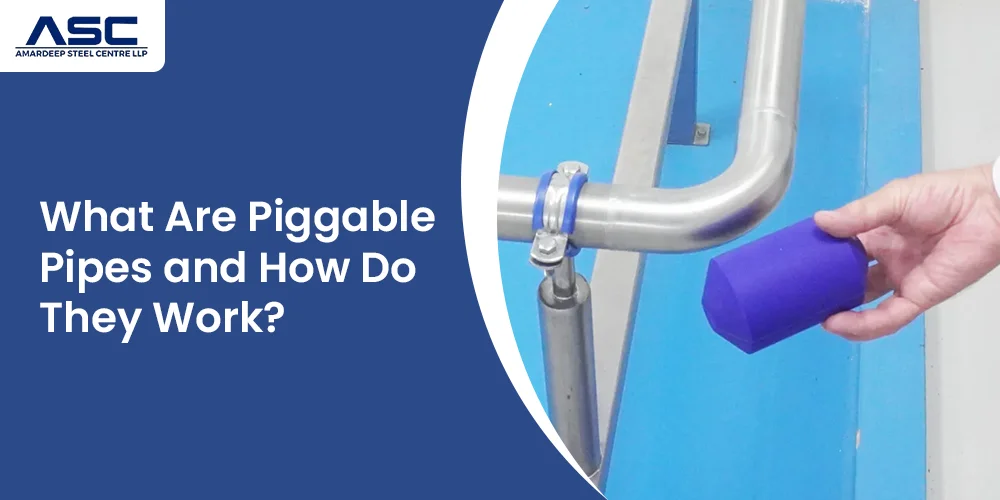
Piggable pipe is pipe which allows a device called "pig" to be sent through the pipe from a launcher to a receiver without getting stuck on the way. Pipeline pigging uses that tool to clean the line, separate products and inspect the pipe wall. Consistency of pipe inner diameter and existence of appropriate bends, full bore valves and fittings are among the factors that enable smooth pigging. The usage of long radius bends and well-designed tees ensures that the pig moves seamlessly with bends and joins along the pipeline. The tool is launched using a launcher and received by a receiver at the end of its trip inside the pipeline. Foam pigs clean the pipeline while intelligent pigs inspect for any defects in the pipes.
Pigging of pipelines refers to the technique of pushing a specific piece of equipment known as a pig along the pipeline in order to clean, maintain, and check the inner surface of the pipeline. The pig travels inside the pipeline using the pressure of the flowing product, which could be oil, gas, water, and others. While doing so, the pig is able to clean any deposits from the pipeline, separate products flowing within the pipeline, remove liquids accumulating inside the pipe, and check that the bore is clear.
Operators rarely send an inspection tool into a line without preparing it first. A common pattern is shown below. The order and number of runs depend on the operator and the tool vendor.
|
Step |
Pig Run |
Purpose |
|
1 |
Foam pig |
Prove the line can pass a pig; remove loose debris |
|
2 |
Cleaning pig |
Remove scale, wax and deposits |
|
3 |
Gauging pig |
Check the bore, dents and ovality against the inspection tool limit |
|
4 |
Intelligent pig |
Record metal loss, cracks and geometry |
|
5 |
Review and repair |
Compare the report with the pipe and fitting records |
The logic is simple. Start with the softest, lowest risk tool. Then work up to the instrumented tool, so an expensive inspection pig is never the first thing to meet an obstruction.
There are many kinds of pig, but most fall into a handful of groups. The table shows the main pipeline pig types, what each is built for, and the tightest bend each can typically pass.
|
Pig Type |
How it is Built |
Main Job |
Typical Minimum Bend (Confirm) |
|
Foam pig |
Polyurethane foam body, bare or coated, often bi-directional |
Cleaning, swabbing, dewatering, drying; a low-risk first run in an unknown line |
~1D to 1.5D |
|
Mandrel pig |
Steel body with replaceable polyurethane cups, discs or brushes |
Cleaning, batching, wax and scale removal |
~1.5D |
|
Solid cast pig |
One-piece cast polyurethane with cups or discs |
Cleaning and batching; durable for long runs |
~1.5D |
|
Sphere |
Solid or inflatable polyurethane ball |
Batching in liquid lines; liquid removal in gas lines |
~1.5D |
|
Gauging pig |
Standard pig carrying a metal gauge plate |
Proves the bore; shows dents and obstructions |
~1.5D to 3D |
|
Intelligent pig(Pipeline Inspection Pig) |
Instrumented tool: magnetic flux leakage (MFL), ultrasonic (UT), geometry or caliper |
Finds metal loss, cracks, dents and ovality |
~3D minimum; some rigid tools 5D |
Radius figures are typical and differ by tool and vendor. The pig, not the pipe, sets the limit, so always confirm with the tool vendor. In this guide, D means the nominal pipe diameter, so a 3D bend has a centreline radius of three times the diameter.
A pig launcher is a pressure-rated barrel installed at the beginning of a pipeline section to insert a pig into the line. It typically includes a quick-opening closure, isolation valve, kicker line, and pressure gauge. The pig is loaded into the barrel, the closure is secured, and the barrel is pressurised to introduce the pig into the pipeline using the flowing medium.
A pig receiver is installed at the other end to collect the pig after its journey through the pipeline. Before opening the receiver, operators must isolate it, release the pressure, and drain any remaining fluid. Both systems require adequate working space, lifting access, and a pig signaller to confirm the pig's passage.
Safety note: Pig launching and receiving must follow approved operating procedures and safe-isolation requirements. Never open a launcher or receiver closure while the barrel is pressurised.
A foam pig is the softest and most forgiving pig. Its body is compressible, so it can squeeze through bends, small restrictions and slight bore changes that would stop a rigid tool. That makes it the usual first run in a line of unknown condition. Foam pigs are used for cleaning, swabbing, dewatering and drying, and because they can pass tight spots, they also help show whether a line is likely to be piggable.
An intelligent pig, also called a smart pig, ILI pig or pipeline inspection pig, is an instrumented tool that records the condition of the pipe as it travels. The main sensor types are:
These tools are long, rigid and costly, which is why most need bends of 3D or more, and why a gauging pig is run first. Note that a gauging pig does not measure wall thickness. It carries a metal plate that proves the bore is clear. Wall thickness is measured by an intelligent pig using MFL or UT.
Designing a piggable pipeline means checking every feature on the route against what the pig needs. The table below sets out the main items and the values commonly used in practice. These are typical industry values, not code limits. The governing code, the project specification and the pig vendor decide the final numbers.
|
Item |
What a Pig Needs |
Typical Design Practice (Confirm) |
|
Bore |
Constant internal diameter |
Keep ID changes and bore reduction within the pig vendor limit (about 10% is often quoted) |
|
Bends |
Long radius, smooth |
3D minimum for most intelligent pigs; 5D where rigid tools run; 1.5D can suit utility pigs |
|
Tangents |
Straight run at each bend end |
At least about 1D of straight pipe at each end |
|
Branch connections |
Pig must not enter a side branch |
Barred or flow tees where the branch is large relative to the main line |
|
Valves |
Fully open, no step or cavity |
Full bore ball or gate valves; check valves chosen to pass the pig (API 6D) |
|
Wall thickness changes |
Gradual transitions |
Taper heavy wall to line pipe; avoid abrupt ID steps |
|
Internal weld profile |
No heavy weld bead or high-low mismatch |
Controlled root bead and alignment |
|
Ovality and roundness |
Near-round pipe |
Ovality kept low (about 3% of OD is a common ceiling for intelligent pigs) |
|
Launcher and receiver |
Space and a way to handle the pig |
Barrel, closure, kicker line, crane or lift access, signallers |
Two points are easy to miss. First, the tightest feature sets the limit for the whole line, so one tight bend or one reduced bore valve is enough to make a long line unpiggable. Second, future inspection tools are often longer and more rigid than the ones used today, so designers who want flexibility choose generous bend radii from the beginning.
Bends are where most piggability problems start. A pig needs room to turn, so the larger the radius, the easier the passage. The table shows which pigs usually pass which bend radius.
|
Pig Type |
1D to 1.5D Bend Radius |
3D Bend Radius |
5D Bend Radius |
|
Foam pig |
Usually passes |
Passes |
Passes |
|
Mandrel, solid cast, sphere |
Usually passes at 1.5D |
Passes |
Passes |
|
Gauging pig |
Tool dependent |
Usually passes |
Passes |
|
Intelligent pig (MFL or UT) |
No |
Usual minimum |
Safe for rigid tools |
Values are typical. Confirm with the vendor of the tool you plan to run. Piggable pipelines commonly use induction bends, which are made by heating a straight pipe and bending it to a set radius. They are covered by ASME B16.49, which sets requirements for radius, ovality and wall thinning. Factory-made buttweld pipe bends and long radius elbows are also used on some lines. For pigging service, the bend radius has to be chosen against the tool you plan to run, so specify piggable bends of 3D or 5D where intelligent pigs will pass.
When a pig passes a branch connection, it can be drawn into the side branch if the opening is large. A barred tee has bars across the branch opening, so the pig carries on along the main line. Branches that are small compared with the main line may not need bars, but this should be checked for each case.
A valve in a piggable line must be fully open with no step or cavity that can catch the pig. In practice this means full bore ball or gate valves, in line with API 6D for pipeline valves. Check valves and any other valve that cannot be fully cleared must be chosen specifically so the pig can pass.
The pipe itself matters as much as the bends. A pig travels on the internal surface, so internal diameter, roundness, wall thickness and weld profile all affect how smoothly it runs. Most pipelines use line pipe to API 5L or ISO 3183, in seamless, welded (LSAW or SSAW) or ERW form. Our range of API 5L line pipe includes API 5L seamless pipes, LSAW pipes and SAW pipes.
|
Choice |
Options |
What to Specify |
|
Line pipe |
API 5L / ISO 3183 seamless, SAW (LSAW or SSAW), or ERW |
Grade (X52, X65, X70), PSL2 where required, wall thickness, ID or OD tolerance |
|
Pipe tolerances |
Standard or tightened |
OD, wall, ovality, and straightness tight enough for the intelligent pig |
|
Bends |
Induction bends to ASME B16.49; factory buttweld bends |
Radius (3D or 5D), tangents, wall thinning limit, ovality |
|
Fittings |
Reducers, tees, flanges |
Barred tees where needed; matched ID and wall thickness |
|
Valves |
API 6D full bore ball or gate |
Full bore, piggable design |
|
Coating |
External coating; internal lining or coating if used |
Smooth, pig-compatible internal surface |
Grade selection depends on the design pressure, pipeline requirements, and applicable code. Higher grades such as API 5L X52 PSL2, X65 PSL2, and X70 PSL2 can allow thinner walls for the same pressure. Whatever the grade, match the wall thickness and internal diameter across pipes, bends, and fittings to prevent internal steps that could obstruct a pig. Use API 5L buttweld fittings with compatible bores to maintain a smooth passage. Our guide to forged vs buttweld fittings explains the differences between these fitting types.
The standards below come up most often. Verify the current edition of each before you rely on it, and treat the pipeline codes and inspection standards as references only. The owner of each standard is the authority on its wording.
|
Standard |
What it Covers |
Why it Matters Here |
|
API 5L / ISO 3183 |
Line pipe for oil and gas pipelines |
Defines pipe grade, chemical composition, and strict manufacturing tolerances |
|
ASME B16.49 |
Factory-made induction bends for transportation and distribution systems |
Specifies bend radius, ovality controls, and wall thinning limits for pig passage |
|
ASME B16.9 |
Factory-made wrought steel buttweld fittings |
Covers dimensional tolerances for standard elbows, tees, and reducers |
|
MSS SP-75 |
High-test wrought butt-welding fittings |
Essential for high-strength pipeline fittings matching API 5L pipe grades |
|
API 6D |
Pipeline and piping valves |
Covers full-opening valves that can pass pigs when specified by the purchaser |
|
ASME B31.4 / B31.8 |
Liquid (B31.4) and gas (B31.8) pipeline transportation systems |
Pipeline design codes covering launchers, receivers, and inspection facilities (Note: Consult local regulations such as 49 CFR 192.150 / 195.120 for specific jurisdictional mandates on tool passage capability) |
|
API 1163 / AMPP SP0102 |
In-line inspection (ILI) systems and pipeline pigging practices |
Details operational performance and validation criteria for inspection runs |
Sourcing Line Pipe and Piggable Bends
We do not supply pigs, launchers or inspection runs. What we supply is the steel that makes a line piggable: line pipe, bends and fittings made to the standards above. Amardeep Steel has been supplying pipes and fittings since 1982, to customers in more than 40 countries.
|
Item |
Range & Specification Details |
|
Line Pipe |
API 5L Seamless (1/2" to 26") & SAW / LSAW / SSAW (16" to 100"), Grades B through X52, X60, X65, X70, X80 (PSL1 & PSL2) |
|
Induction & Buttweld Bends |
Radii: 3D, 5D, 6D, 8D, 10D & custom long-radius bends; Sizes: 2" to 56" NB |
|
Tolerances |
Tightened OD, wall thickness, and ovality limits (< 1.5%); custom straight tangent lengths (1D to 3D typical) |
|
Standards |
ASME B16.49, ASME B16.9, MSS SP-75, MSS SP-43, API 5L |
|
Certificates & Testing |
EN 10204 3.1 / 3.2 MTC, NDT (UT, RT, MPI), Hydrostatic testing, Hardness & Charpy V-Notch impact testing |
If you are planning a piggable pipeline, tell us the line size, grade, design pressure and the pig you expect to run, and we can advise on bend radius, wall thickness and tolerances. See our carbon steel pipes, our piggable bends, or request a quote.
Regular pigging clears wax, scale and water that would otherwise reduce flow, supports corrosion control by removing the deposits that corrosion hides under, separates different products in the same line, and supplies the inspection data needed to manage integrity. How often a line is pigged depends on the product, the deposit rate and the operator's integrity plan, from weekly cleaning runs to inspection runs every few years.
Piggable pipes are pipes and fittings laid out so a pig can travel the line from a launcher to a receiver. That means constant bore, long radius bends, full bore valves and barred tees.
Pipeline pigging means sending a device called a pig through a pipeline, pushed by the product flow, to clean it, separate products, check the bore or inspect the pipe wall.
The main types are foam, mandrel, solid cast, sphere, gauging and intelligent pigs. Each has a different job, and each can pass a different minimum bend radius.
Foam pigs are used for cleaning, swabbing, dewatering and drying. They are also a low-risk first run in a line of unknown condition, because they can squeeze through tight spots.
An intelligent pig is an instrumented pipeline inspection pig. It records metal loss, cracks, dents and ovality using magnetic flux leakage, ultrasonic or geometry sensors.
The launcher loads the pig into the line and the receiver catches it at the other end. Each has a barrel, closure, valves and a kicker line, and each must be operated to a written procedure.
A pipeline is piggable when it has a constant bore, bends of 3D or more for most intelligent pigs, full bore valves, barred tees, gradual wall transitions, and a launcher and receiver at each end.
No. Tight bends, unbarred branches, reduced bore valves or abrupt ID changes can stop a pig, so a line must be checked against the pig vendor limits first.
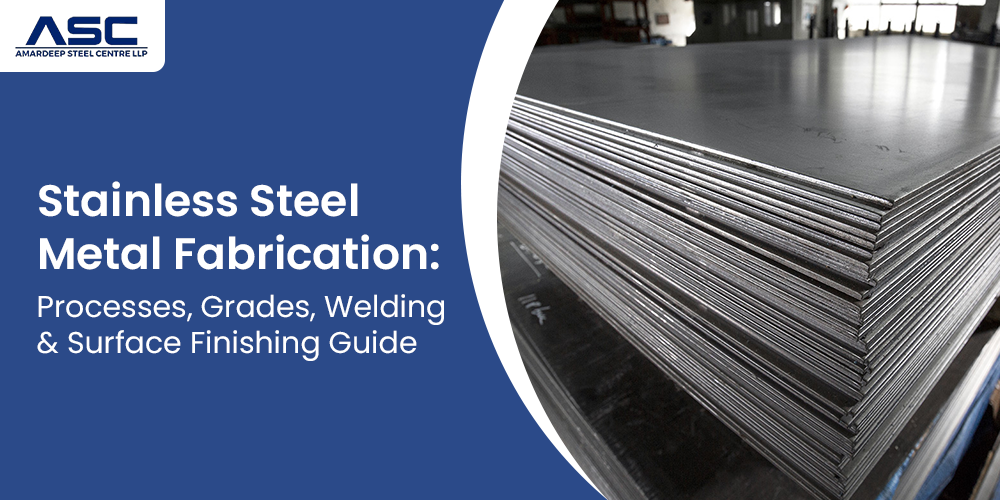
Stainless Steel Metal Fabrication is a very specialised process and is very different from carbon steel, as it has a very different metallurgical behaviour.