
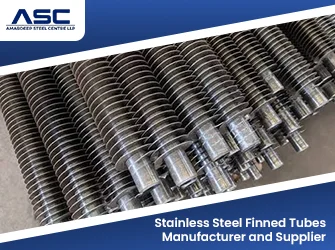
Stainless Steel Finned Tubes Manufacturer and Supplier
Amardeep Steel Centre LLP manufactures stainless steel finned tubes on ASTM A213, A249 and A269 base tubes for corrosive service heat exchangers. Our stainless steel finned tubes are available in 304, 316 and 321 grades with L type or welded fin construction. Tell us the process fluid and environment and we will confirm the right stainless steel finned tube grade.
What Are Stainless Steel Finned Tubes?
Stainless steel finned tubes are seamless or welded stainless steel base tubes, manufactured to ASTM A213, A269 or A249, with fins added for heat transfer service that requires corrosion resistance beyond what carbon or alloy steel can offer. They are specified wherever the process fluid, flue gas or ambient environment would otherwise corrode a plain steel fin tube.
Technical Data
Stainless Steel Finned Tubes Grades
| Grade | Base Tube Standard | Typical Application |
|---|---|---|
| SS 304 / 304L | ASTM A213 / A269 / A249 | General corrosive service heat exchangers |
| SS 316 / 316L | ASTM A213 / A269 / A249 | Chloride bearing and marine adjacent service |
| SS 321 | ASTM A213 | Higher temperature service requiring a stabilized grade |
Advantages of Stainless Finned Tube Over Plain Tube
| Feature | Stainless Steel Finned Tube | Stainless Steel Plain Tube |
|---|---|---|
| Compact Design | Similar Heat Transfer With a More Compact Design. | Bigger Area Needed for the Same Heat Transmission. |
| Fouling Resistance | Easier to Clean and Less Susceptible to Foul. | May Build Up Layers and Need Extra Attention. |
| Efficiency of Heat Transfer | Boosted Because of the Fins' Larger Surface Area. | Lower; Only Uses the Surface Area of the Tube. |
| Price | Greater Initial Cost as a Result of Sophisticated Manufacturing. | Generally Less Expensive at First. |
| Resistance to Corrosion | Outstanding; Perfect for Harsh Situations. | Depending on the Material Being Utilized, It Can Corrode. |
| Weight | Fins Make It Slightly Heavier. | Lighter; Simpler Design. |
| Uses | Versatile; Used in Power Generation, HVAC etc. | Common in basic piping systems and heat exchangers. |
Stainless Steel Fin Tube Types
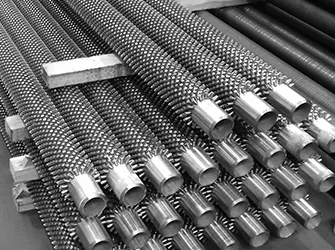
316 Stainless Steel Welded Fin Tubes
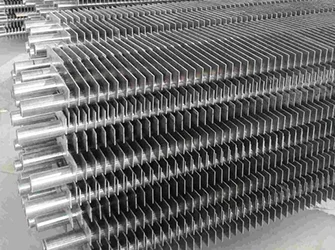
SA 213 TP304 Seamless Fin Tube
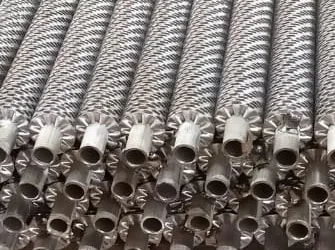
SS 304 Spiral Finned Tubes
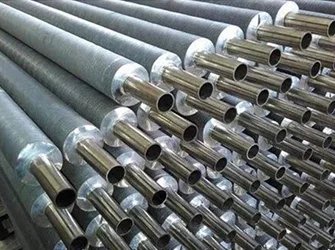
SS 316 Low Finned Tubes
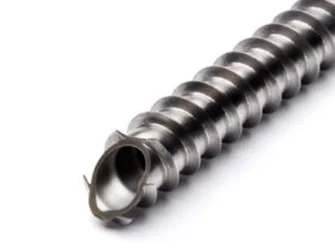
SS Corrugated Fin Tubes
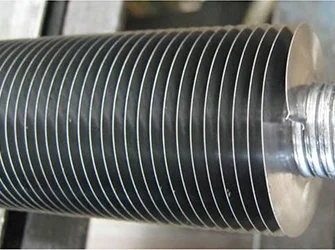
SS Embedded Fin Tube
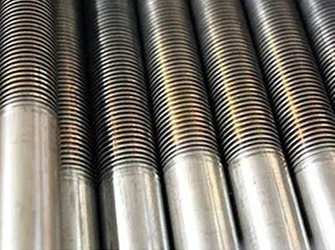
SS Integral Low Fin Tubes
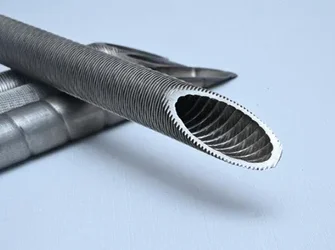
Stainless Condenser Fin Tube
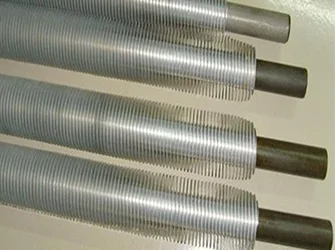
Stainless Steel Extruded Fin Tube
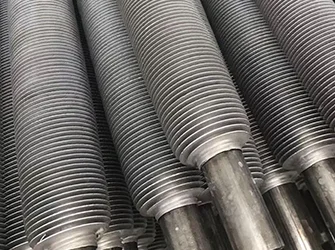
Stainless Steel Helical Finned Tube
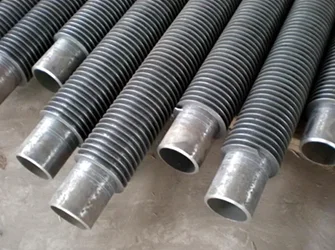
Stainless Steel High Finned Tubes
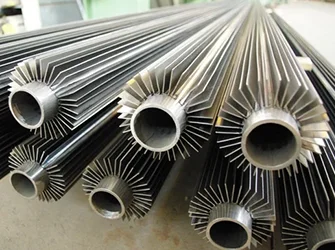
Stainless Steel Longitudinal Finned Tubes
Applications of Stainless Steel Finned Tubes
- Chemical process heat exchangers
- Marine finned coolers
- Corrosive flue gas economizers
- Food and pharmaceutical adjacent process heating
Testing and Certification for Stainless Steel Finned Tubes
- Positive material identification (PMI) verification
- Hydrostatic pressure test
- Intergranular corrosion test reference where relevant to the grade
- Mill test certificate per EN 10204 3.1B
Manufacturing Process of Stainless Steel Finned Tubes
- Material Selection – Use premium-grade stainless steel to ensure long-term durability.
- Production of Tube – Form the base tubes using techniques like welding or extrusion.
- Formation of Fin – Attach fins using methods such as brazing or spiral wrapping.
- Fin Tube Welding – Weld the fins securely to the tube to ensure strong bonding and efficient heat transfer.
- Surface Treatment – Clean and finish the surface to remove contaminants and impurities.
- Inspection – Test for dimensional accuracy and structural integrity to meet quality standards.
- Packaging – Pack the finished tubes securely to protect them during transportation.
Why Choose Amardeep Steel Centre for Stainless Steel Finned Tubes
- Base tubes sourced under the same quality system as our wider Stainless Steel product range
- 304, 316 and 321 grades available with L type or welded fin
- Custom fin height and pitch on request
- Export documentation and global dispatch experience
Stainless Steel Finned Tubes FAQs
Q. Why use stainless steel instead of carbon steel for finned tubes?
Stainless steel finned tubes are specified where the process fluid or environment is corrosive, such as chloride exposure, acidic flue gas or a marine atmosphere, conditions in which a carbon or alloy steel fin tube would corrode prematurely.
Q. What is the difference between SS 304 and SS 316 finned tubes?
SS 316 contains molybdenum, which gives it noticeably better resistance to chloride pitting and crevice corrosion than SS 304, making it the preferred grade for marine or chloride bearing process environments. SS 304 is used where the environment is less aggressive and cost is a bigger factor.
Q. Can stainless steel finned tubes be extruded?
Extruded fins are harder to form on stainless steel than on copper or aluminium because the material work hardens during extrusion. Welded strip fin or L type wrapped fin is more commonly used on stainless steel base tubes.
Explore related pages: Stainless Steel Products | Alloy Steel Finned Tubes | Crimped Finned Tubes
Request a Quote for Stainless Steel Finned Tubes
Share the following and our technical team will respond within 24 hours:
- Grade required (SS 304, 316 or 321)
- Fin type preferred, if known
- Base tube OD and wall thickness
- Process fluid and operating temperature
