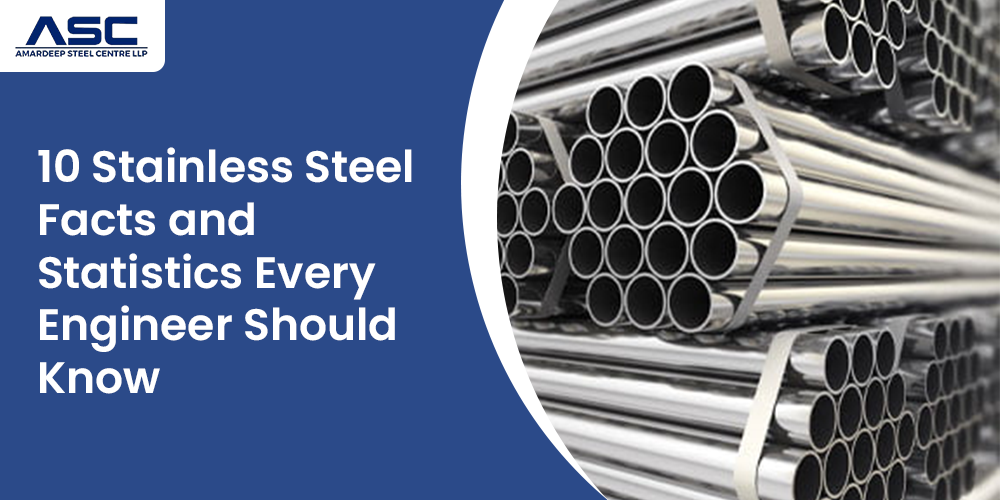
Difference Between Stainless Steel and Carbon Steel
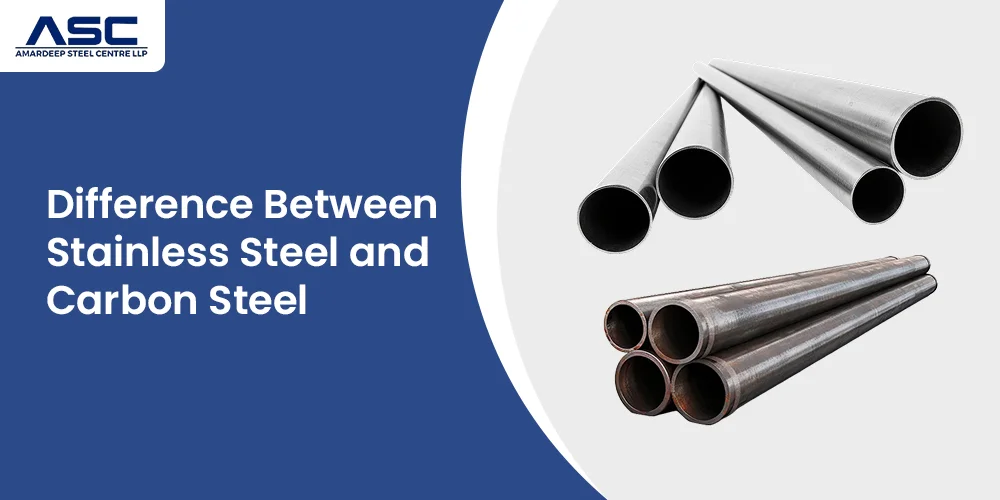
Steel is one of the most widely used metals in the world, and almost every steel grade falls under one of two broad families: carbon steel or stainless steel. Both start from the same base of iron and carbon, but the alloying elements added during production give them very different properties. Choosing the right one comes down to understanding how they differ in composition, corrosion resistance, strength, cost, and workability.
On this page
- What Is Carbon Steel?
- What Is Stainless Steel?
- Composition: The Chromium Difference
- Corrosion Resistance
- Strength and Hardness
- Cost Comparison
- Machining and Welding
- Appearance and Finish
- Heat Resistance
- Typical Applications
- Can Carbon Steel and Stainless Steel Be Welded Together?
- Which One Should You Choose?
- Frequently Asked Questions
What Is Carbon Steel?
Carbon steel is an alloy of iron and carbon with only small amounts of other elements. It is classified by how much carbon it contains, which directly affects its hardness and ductility.
- Low carbon steel: up to about 0.25 percent carbon, soft, ductile, and easy to weld or machine
- Medium carbon steel: roughly 0.25 to 0.6 percent carbon, offering a balance of strength and workability, often improved with heat treatment
- High carbon steel: roughly 0.6 to 1.25 percent carbon, the hardest and most wear resistant of the three, but the least ductile
Because it has little or no chromium, carbon steel does not form the passive oxide layer that protects stainless steel, so it is more prone to rust when exposed to moisture. For a closer look at low carbon grades specifically, see our guide to carbon steel properties.
What Is Stainless Steel?
Stainless steel is defined by a minimum chromium content of about 10.5 percent, often combined with nickel, molybdenum, or other elements. When chromium reacts with oxygen, it forms a thin, self-healing layer of chromium oxide on the surface. This layer is what gives the metal its resistance to rust and staining.
Stainless steel is generally grouped into five families, covered in more depth in our guide to types of stainless steel:
- Austenitic: the most common family, known for good corrosion and heat resistance, used in kitchenware, piping, and architecture
- Ferritic: usually nickel free, valued for resistance to cracking and used in appliances and indoor fittings
- Martensitic: magnetic and hard, but less corrosion resistant, common in cutlery and turbine blades
- Duplex: a mix of austenitic and ferritic structures, offering roughly double the strength of standard austenitic grades
- Precipitation hardening: can be heat treated to very high strength while keeping good corrosion resistance
Composition: The Chromium Difference
The clearest technical dividing line between the two families is chromium content. Carbon steel typically stays under 10.5 percent chromium, and many grades contain none at all. Stainless steel must meet or exceed that 10.5 percent threshold, with many grades running well above it once nickel and molybdenum are added for extra performance.
Corrosion Resistance
This is usually the deciding factor for buyers. Stainless steel resists rust, pitting, and staining far better than carbon steel because of its chromium oxide layer, which makes it a strong fit for marine environments, food processing, chemical handling, and medical equipment. Carbon steel will rust if left unprotected in damp or corrosive conditions, though coatings, galvanizing, or paint can extend its service life considerably.
Strength and Hardness
Carbon steel, especially in its medium and high carbon grades, tends to have high hardness and tensile strength, which is why it is a common choice for structural beams, machine parts, and cutting tools. Standard austenitic stainless grades such as 304 have lower yield strength and are softer, though duplex and precipitation hardening stainless grades close much of that gap and can outperform many carbon steels in demanding applications.
Cost Comparison
Carbon steel is generally the more affordable option because it does not rely on costly alloying elements like chromium and nickel. Stainless steel carries a higher upfront cost, but its resistance to corrosion often reduces maintenance and replacement costs over the life of a project, which can make it the more economical choice in the long run.
Machining and Welding
Carbon steel is comparatively easy to cut, machine, and weld, which keeps fabrication costs down, and is a common material for carbon steel buttweld fittings. Stainless steel work hardens more quickly and needs specialised tooling and technique, so machining and welding it typically takes more time and skill, which is reflected in the cost of stainless steel buttweld fittings compared with their carbon steel equivalents.
Appearance and Finish
Stainless steel is prized for its bright, lustrous finish and is often chosen for visible architectural and consumer applications for that reason alone. Carbon steel has a duller natural finish, though it can be painted, powder coated, or otherwise treated to achieve a wide range of looks.
Heat Resistance
Stainless steel generally holds up better at high temperatures, with many grades rated for continuous service above 1000 degrees Fahrenheit, which suits it to furnace parts, exhaust systems, and industrial process equipment. Carbon steel can also handle elevated temperatures, particularly in alloyed or heat treated forms, but it is more prone to scaling and oxidation at extreme heat than stainless steel.
Typical Applications
- Carbon steel: structural beams, pipelines, automotive body panels, construction rebar, and cutting tools; see our carbon steel pipes and tubes, carbon steel plates, sheets, and coils, and carbon steel flanges
- Stainless steel: food processing equipment, medical instruments, kitchen appliances, architectural facades, and marine hardware; see our stainless steel pipes and tubes, stainless steel plates, sheets, and coils, and stainless steel flanges
Can Carbon Steel and Stainless Steel Be Welded Together?
It is technically possible, but it is not common practice. Carbon steel and stainless steel conduct electricity differently and respond to heat at different rates, which makes it difficult to hold a consistent weld temperature across the joint. Most fabricators recommend welding similar steel types together rather than mixing carbon and stainless steel in the same joint.
Which One Should You Choose?
If your project needs to resist corrosion, handle food or chemicals, or hold up in wet or marine conditions, stainless steel is usually worth the extra upfront cost. If your priority is raw strength, easy fabrication, and a lower budget, and the material will be protected from moisture or coated, carbon steel is often the more practical option. Many industrial projects end up using both, choosing the right grade for each specific part based on its environment and load.
Need help selecting the right grade for your application? Our team at Amardeep Steel Centre can walk you through carbon steel and stainless steel products, from plates and pipes to flanges and fittings, and match the right specification to your project. Enquire now to speak with our sales team.
Frequently Asked Questions
What is the main difference between carbon steel and stainless steel?
The main difference is chromium content. Stainless steel contains at least 10.5 percent chromium, which forms a protective oxide layer that resists rust. Carbon steel has little or no chromium, so it corrodes more easily but usually costs less.
Is carbon steel stronger than stainless steel?
It depends on the grade. High carbon steel is generally harder and has higher tensile strength, while many common stainless grades such as 304 are softer and lower in yield strength. Duplex and precipitation hardening stainless grades can match or exceed carbon steel strength.
Can carbon steel and stainless steel be welded together?
It is technically possible but generally not recommended. The two metals have different electrical conductivity and heat response, which makes it hard to reach a consistent weld temperature, so most fabricators prefer to weld like metals together.
Which is cheaper, carbon steel or stainless steel?
Carbon steel is usually cheaper upfront because it does not contain costly alloying elements such as chromium and nickel. Stainless steel costs more initially but can be more economical over the long run because of its corrosion resistance and low maintenance.
Which steel should I choose for outdoor or marine use?
Stainless steel is generally the better choice for outdoor, marine, or chemical environments because of its resistance to rust and pitting. Carbon steel can still be used with protective coatings, but it needs more regular maintenance in these conditions.
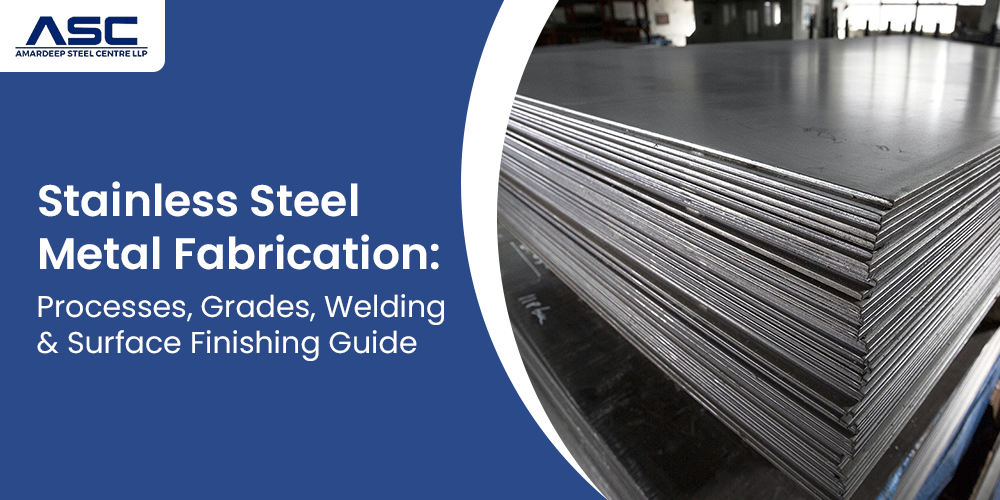
Stainless Steel Metal Fabrication — Processes, Grades, Welding & Surface Finishing Guide
Stainless Steel Metal Fabrication is a very specialised process and is very different from carbon steel, as it has a very different metallurgical behaviour.