904L Stainless Steel Heat Treatment
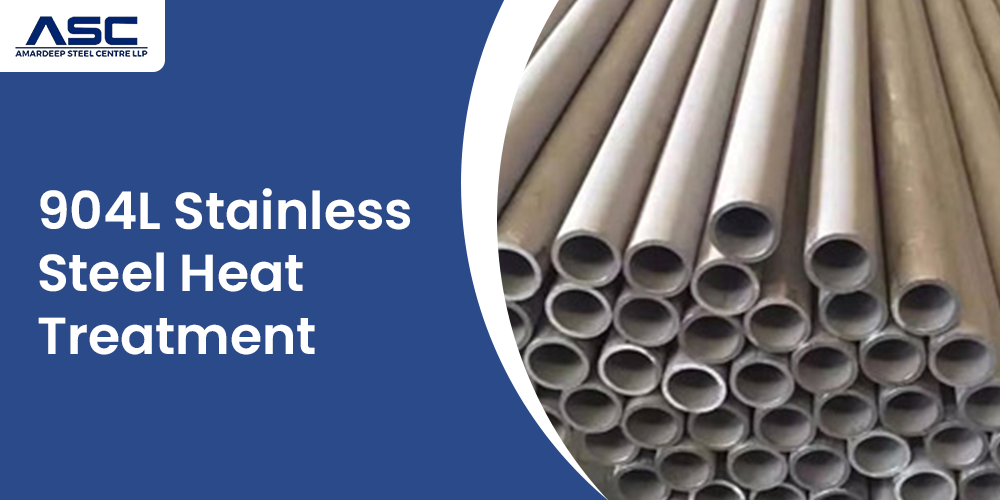
Stainless steel 904L metal fabrication has a fundamentally different approach than that of carbon steel because it has unique metallurgical properties. It has a chromium (minimum 10.5%), stainless steel develops a passive oxide layer, which gives it resistance to corrosion, though it is also prone to heat input, contamination, and work hardening. The cutting speed, forming process and welding process have to be carefully monitored by the fabrication engineers and project managers in order to preserve the mechanical integrity as well as corrosion performance. Compared to austenitic stainless steel flanges grades such as ASTM A240 Type 304/304L and 316L, stabilized grades such as 321 and 347, all materials will act differently during fabrication. The guide describes the main processes of heat treatment of stainless steel, considerations of grades, and finishing processes that must be applied in industrial settings.
1. Solution Annealing Process Details
Stainless steel Buttweld Fittings elaborate on the heat treatment process, and add that water quenching or rapid cooling in air must be used to prevent sensitization (carbide precipitation at grain boundaries). The gradual cooling down of the 500-900 °C should be avoided at all costs since it leads to the formation of chromium carbides, which decrease the corrosion resistance.
2. Sensitization & Carbide Precipitation Risk
904L is low-carbon (<0.020%) but can be sensitized in the long-term (held in 500–900 °C range). This risk is minimized by the low carbon content that is specifically developed to reduce this risk during welding.
3. Cold Working & Work Hardening Behavior
904L has a lower hardening rate than the standard steel 304/316 because it contains high levels of nickel and molybdenum. This renders it more appropriate in deep drawing and intricate forming operations.
4. Stress Relief — Full Solution Treatment
The difference in stress relief anneal (at lower temperatures, say 300–400 °C) does not offer much benefit and is not usually recommended. After fabrication, a complete treatment (1090–1175 °C) is desirable to restore maximum corrosion resistance.
5. Temperature Range of Hot Working
The 904L is worked in the temperature range of 1150 °C to 950 °C, but working below 950 °C is not advisable since it may crack. The solution annealed and quenched material should be used after the hot working in order to restore the microstructure.
6. Intermetallic Phase Formation Warning
The exceeding temperature up to 600 °C, prolonged exposure may cause sigma phase formation, which is an intermetallic compound that highly embrittles the stainless steel forged fittings and decreases toughness. This is particularly pertinent when there are recurring or slow cycles of heat treatment.
7. Comparison with Super Austenitic Grades Post Heat Treatment
904L has a PREN (Pitting Resistance Equivalent Number) of about 32–36, exceeding 316L (PREN = 24), but lower than 6% Mo super austenitic alloys such as 254 SMO (PREN = 43), enabling consumers to make informed material choices.
8. Heat Treatment Effect on Mechanical Properties
904L is expected to attain at least tensile strength of 490 MPa, yield strength of 220 MPa and elongation of 35% per ASTM standards — providing readers with valuable reference.
9. Furnace Atmosphere Considerations
It is important to note that heat treatment is preferably done in a controlled atmosphere furnace (neutral or slightly oxidizing) to avoid excessive scaling. When performed in air, the oxide scale needs to be removed by pickling in a mixture of nitric-hydrofluoric acid following treatment.
10. Applications to Industry Post Heat Treatment
The 904L is commonly used in phosphoric acid plants, seawater desalination equipment, bleaching systems in the pulp and paper industry, and offshore oil and gas components, driving home the usefulness of appropriate heat treatment to the purchasers of such components.
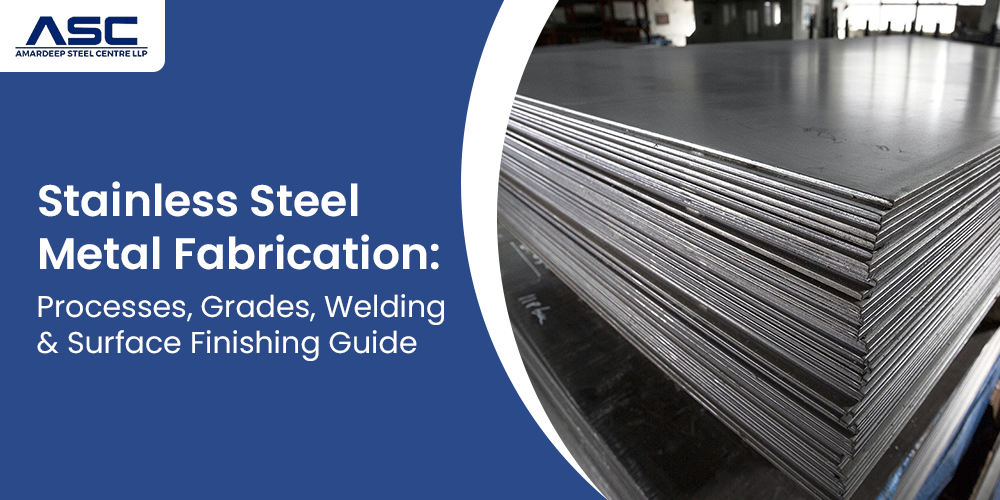
Stainless Steel Metal Fabrication — Processes, Grades, Welding & Surface Finishing Guide
Stainless Steel Metal Fabrication is a very specialised process and is very different from carbon steel, as it has a very different metallurgical behaviour.

