Difference Between Alloy and Aluminium
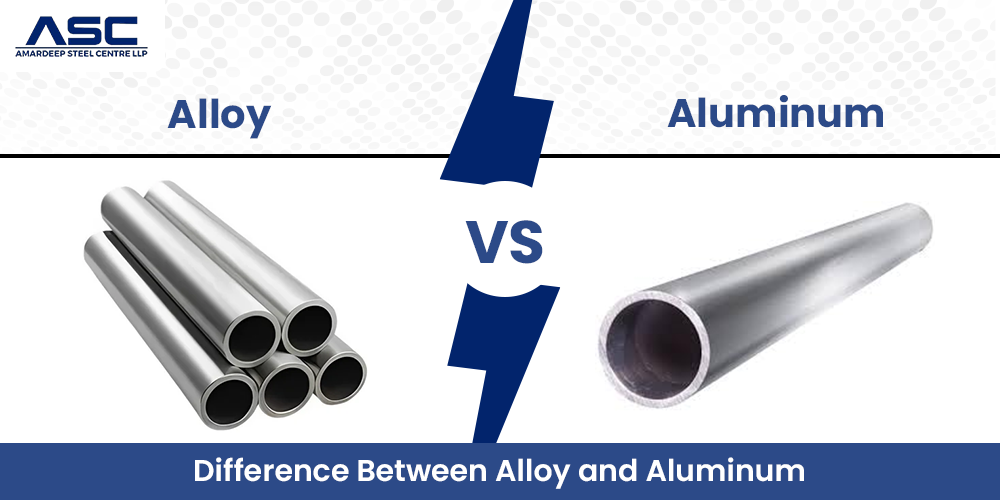
When purchasing materials to be used in industrial or manufacturing projects it is important to know the difference between alloy and aluminum in order to make the correct decision regarding procurement. Comparisons between alloy steel and aluminum are reiterated in industries such as automotive, aerospace, construction, and heavy engineering and selecting the inappropriate material may influence performance, cost and life. This tool simplifies the fundamental distinctions of plain-language to enable procurement managers, engineers and project teams to make quicker and smarter decisions.
Quick Answer: What's the Difference Between Hot Rolled and Cold Rolled Steel?
The processing temperature is the basic difference. Hot rolled steel is rolled at elevated temperatures (usually more than 1,700 F), that is above the recrystallization temperature of the steel. Cold rolled steel is actually much hot rolled steel that has undergone additional processing at room temperature, called cold reduction, to obtain tighter tolerances, a smoother finish and greater strength by work hardening.
What Is Alloy Steel?
Carbon steel is reinforced with one or more elements including chromium, nickel, molybdenum, manganese or vanadium to augment the mechanical properties of alloy steel. These are added to harden, toughen, strengthen and increase the wear and heat resistance of the steel.
There can be of two general types:
- Low alloy steel includes as much as 8% alloying elements; low alloy steel finds use in structural and pressure applications.
- High alloy steel has over 8 percent alloying elements; stainless steel is one that belongs to this category.
Alloy steel has found extensive application in gears and shafts, pressure vessels, oil and gas pipeline and heavy machinery. Its tensile strength that varies between 250MPa and 1300MPa depending on grade renders it to be consistent when subjected to high stress and load. Our detailed guide on What is Alloy Steel can be read to understand it better.
Alloy steel has one major limitation that is it corrodes readily and requires such surface protection as galvanizing, painting or plating in wet or open air.
What Is Alloy Steel?
Aluminum is a non-ferrous metal, which is prized by its light weight (1/3 th of steel), spontaneous corrosion resistance and good thermal conduction. Aluminum is hardly used as the pure material in industrial purposes, it is mixed with such elements as magnesium, silicon, or zinc to enhance its performance and strength.
Usual aluminum alloy series to be used in production include:
- 6000 series (6061, 6063) have good strength, corrosion resistance and formability.
- 5000 series (5052) is excellent in corrosion resistance; it is used in the marine and automotive industry.
- 7000 series (7075) is high strength to weight ratio; performance and aerospace parts.
There are also Different Types of Aluminium Alloys. The natural oxidation layer on aluminum offers in-built corrosion resistance, and this makes aluminum to be used in a place where steel would need protective coating.
Notable drawback of Aluminum, in comparison with alloy steel, is that it is softer and usually lower in tensile strength (50 to 500 Mpa) and is therefore not suitable in high-load structural use where steel is needed.
Difference Between Alloy and Aluminum
The Difference between Alloy and Aluminum can be classified according to their key perfomance factors:
- Strength:
The alloy steel is much stronger than aluminum. Alloy steel is used where there is high mechanical stress (in the form of load bearing structures, transmission components or cutting tools). Aluminum alloys are lighter but could not be compared to the raw strength of high-grade alloy steel. - Weight: Alloy steel is approximately three times heavier than Aluminum. It is a strong competitive edge in such sectors as electric vehicles, aerospace, and electronics where minimization of weight directly yields in efficiency and performance. Replacing aluminum with steel lowers unsprung mass in automobiles to enhance the handling and energy efficiency.
- Corrosion Resistance: In most environments, the aluminum has a natural resistance to corrosion due to the formation of an oxide layer on its surface and thus only the slightest surface treatment is needed. Alloy steel is an iron-based alloy, which can easily be subjected to rust and normally requires galvanization, painting, or chromate coating - increasing its lifecycle expenses.
- Machinability & Fabrication: Machines which use aluminum are faster, have longer tool life and reduced energy input. This translates to reduction in lead times and the cost of fabrication of the complex precision parts. Alloy steel is hard, consequently it needs reduced cutting speeds, carbide tooling and is frequently subject to heat treatment after machining.
- Thermal Conductivity: Aluminum is much more effective than alloy steel at conducting heat through it, thus, it is good in heat sinks, battery enclosures, and thermal management components. Alloy steel works well with high temperature structural works, including engine parts and pressure vessels.
Industry Applications of Alloy Steel vs Aluminum
To understand the difference even better, let us discuss their industrial applications where every aspect and feature coincides with the industry type they are used in:
Typical Characteristics of Cold Rolled Steel
- Automotive: Control arms, suspension systems, crankshafts and safety critical parts are made of alloy steel. Electric cars are favoring more aluminum in the battery housing, body panels, and wheels rims.
- Aerospace: The fuselage is composed of aluminum panels and structural frames because of the strength weight ratio. Engine parts and landing gear that are exposed to severe stress are made of alloy steel.
- Construction & Infrastructure: Alloy steel is used in the form of load bearing beams, columns and structural framework. Curtain walls, window frames, and cladding with a need to be corrosion resistant and aesthetics are used with aluminum.
- Electronics and Industrial Equipment: The Aluminum alloys such as the 6061 have been extensively utilized in the manufacture of device housing, frame, and enclosures. Alloy steel is used in structural supports and internal brackets that are in need of rigidity.
You may also be interested in reading Aluminium vs. Stainless Steel: Which is Better for Your Project for a broader material comparison perspective.
Cost Considerations of Alloy steel vs Aluminum
Alloy steel is cheaper per kilogram (0.80120/kg against 2.002.50/kg in aluminum), but the entire cost situation is more complex:
- The fact that aluminum is cheaper in terms of density, i.e., it requires less material of the same volume, partially compensates its high unit cost.
- The machining cost of alloy steel is 2-3 times more expensive because of the wear of the tool and the slowness of the cycle.
- Alloy steel corrosion protection increases both surface finishing and long-term maintenance expenses.
- Aluminum is more recyclable, and decreases the lifecycle costs of industries with a sustainability emphasis.
Alloy steel is also economical in high strength applications where wear resistance is paramount even though processing costs increase. In weight-sensitive or corrosive performance, aluminum offers a superior long-term payoff.
Alloy steel vs aluminum : Which One Should You Choose?
Choose alloy steel when:
- There is no compromise on high tensile strength and hardness.
- The element is safety or structural critical.
- The working temperatures are high.
- The priority is a cost per unit strength.
Choose aluminum when:
- Reduction in weight is one of the design objectives.
- It is required to have corrosion resistance without surface coating.
- There is need to have faster machining and reduced lead time.
- Thermal management is used in the application.
In projects where the choice to use materials directly impacts on the performance and cost, it is also useful to find out about the variations that occur in alloy steel itself. Read Difference Between Low Alloy Steel and High Alloy Steel to get a clear understanding of which alloy steel grade is suitable to use.
H2- Trust Amardeep Steel for your Alloy vs Aluminum Needs
The dilemma of alloy vs aluminum will always be a question of what your application needs. The alloy steel is superior in terms of strength and hardness and at elevated temperatures. Aluminum is lighter, less corrosive, and the machine is easier to use. To most B2B purchasers, the correct solution is an ability to define mechanical specifications, environmental factors, fabrication, and lifecycle cost objectives.
Amardeep Steel Centre is the manufacturer of alloy steel products and aluminium products of various grades and specifications. We also stock specialty materials such as Alloy 28 products in various applications that have high requirement in corrosion resistance.
Talk to us to have the appropriate material suggested to your next project.
Frequently Asked Questions About Alloy vs Aluminum
Which is better alloy or aluminium?
Aluminium is lightweight and non-corrosive but aluminium alloys are preferred in most instances. The supplementary components in alloys make them stronger, more durable, and flexible, which makes them more appropriate in construction, engineering, automotive, and creative projects.
Does aluminum alloy have greater strength compared to aluminum?
Although pure aluminum has numerous winning characteristics, it is not strong and too soft to be used in most industrial applications. However, aluminum alloys may be thirty times as strong as plain aluminum, and often much stronger, weight to weight.
How long will alloy last?
Alloy wheels have a life span of 5 to 10 years on average. This is, however, just a rough guide. Several wheels would serve much longer particularly when they are refurbished professionally and guarded during the process. When one is driving over potholes, the speed bumps or uneven surface may cause cracking or buckling.
Does alloy rust or turn green?
The alloys do not turn into green. Other alloys do however form a green patina with age, such as bronze or brass, as a result of oxidation and other chemical interactions between alloy with environment. This is usually observed on ancient statues and coins.