Boiler Tube Manufacturing Process: Seamless Production, Heat Treatment & Quality Testing
by AMC
Posted on January 17, 2025 at 05:01 PM
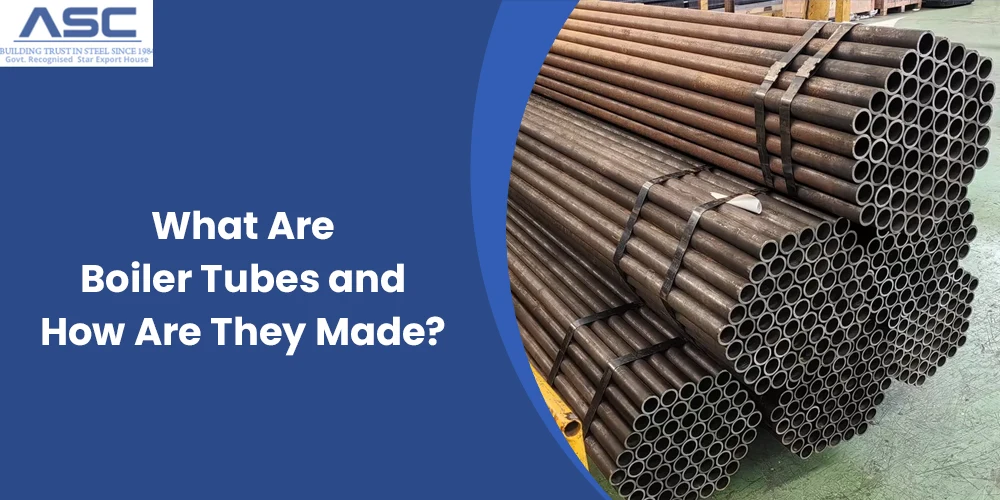
Boiler tubes are a necessary component of the work of boilers, and they are very common in industries both in power generation up to heating. These tubes are essential in the safe and effective working of a boiler where heat is properly transferred to it and steam is produced and used in different processes. However, what are boiler tubes, and how are they produced?
This paper will investigate the significance of boiler tubes, as well as the material making them, and the manufacturing process of these essential components. This guide will take you through the basics of the production of the boiler tubing whether you are an industry professional or you are interested in knowing more about industrial engineering.
What Are Boiler Tubes?
Boiler tubes are tubes that are made of high-endurance, high-pressure, high-temperature, heat-resistant and seamless types of tubes that are utilized in boilers and power plants to transport water or steam. They are important in transfer of heat and system efficiency. These tubes are manufactured to be durable and performer-friendly by a very specific process that involves forming, heat treatment and quality test.
How Boiler Tubes Work
The principle of the working of a boiler tube is not very complicated: heated water is transformed into steam and this steam is utilized. The boiler pipes are specified to transport hot gases or steam which provides the surface to transfer heat to the water contained in the tube walls. The warmed air resulting from the combustion process is passed onto the water contained within the tubes.
Efficiency and safety of a boiler directly depends on the performance of boiler tubes. They should be capable of operating in extreme temperature, pressure and corrosion and at the same time have a high heat transfer rate.
Materials Used for Manufacturing Boiler Tubes
The material selection for boiler tubing is a critical factor in ensuring that they perform efficiently and safely over time. Boiler pipes must be able to withstand high temperatures, extreme pressure, and potential exposure to corrosive substances. The most commonly used materials for manufacturing boiler tubes include:
Carbon Steel: Carbon steel is the most common material used for boiler tube construction. It is relatively affordable and easy to fabricate. Carbon steel tubes are suitable for low- to medium-pressure systems and can withstand temperatures up to about 500°F (260°C).
Alloy Steel: Alloy steel is often used for high-pressure boilers due to its ability to withstand higher temperatures and pressures. Alloy steel boiler tubing can handle temperatures up to 1,000°F (538°C) and is typically used in superheaters and reheaters. These materials are more expensive than carbon steel but provide better performance under demanding conditions.
Stainless Steel: Stainless steel boiler tubes are known for their corrosion resistance and are used in applications where the boiler will be exposed to harsh chemicals or corrosive substances. Stainless steel is also used in areas where high temperatures and pressures are involved.
Copper and Copper Alloys: Copper and copper alloys are used in heat exchanger tubes, as they have excellent thermal conductivity. However, they are not typically used in high-pressure or high-temperature boiler tube applications.
Seamless vs Welded Boiler Tubes: Why Seamless Is Preferred
The main two methods used to manufacture boiler tubes are seamless and welded, and the selection of one that has a direct impact on performance, safety, and durability. Smooth tubes of boilers are made out of solid billets with no welding joints and the welded tubes are made by rolling and joining the steel plates. It is this very difference that allows seamless tubes to be more dependable in terms of high-pressure and high-temperature usage.
The seamless tubes also provide uniform strength in all parts of the structure, and weak points, which are common in welded seams are eliminated. They can be used in power plants, refineries and important industrial systems, which are the target markets because they work in high thermal conditions, pressure changes and even corrosive conditions. Welded tubes, despite their economic efficacy, can be restricted in stressful circumstances because of the presence of a welded seam.
| Feature | Seamless Boiler Tubes | Welded Boiler Tubes |
| Manufacturing Process | Made from a solid billet without any welding. | Made by rolling and welding steel plates/strips. |
| Strength | Higher and uniform across the entire tube. | Lower, primarily due to the presence of the weld seam. |
| Pressure Handling | Excellent; designed for high-pressure environments. | Suitable for low to medium-pressure applications. |
| Temperature Resistance | Superior performance in extreme temperatures. | Often limited in high-temperature use. |
| Reliability | No inherent weak points in the structure. | The weld seam can potentially be a point of failure. |
| Cost | Higher (more complex manufacturing). | More economical and cost-effective. |
| Applications | Power plants, high-pressure boilers, refineries. | General industrial use, low-pressure boilers. |
Step-by-Step Process in the Boiler Tube Manufacturing
The manufacture of boiler tubes involves various controlled processes in order to make them strong, precise, and durable enough to be used in applications with high pressure.
Step 1: Selection of Billet and Material Preparation
The first stage starts with the selection of carbon or alloy steel billets of high quality according to ASTM standards. The reliability of these billets is checked in terms of chemical make up, surface defects and internal flaws. Material selection is a very important factor as it directly influences the strength, heat resistance and performance. The billets are then wiped in readiness of heating. This is the stage where any defective material is rejected as a way of ensuring high standards of quality. This is the groundwork to the manufacture of long-lasting and high-performance boiler tubes in the challenging industrial environment.
Step 2: Hot Rolling & Piercing
To make the billet soft and workable, it is heated to approximately 1100-1200 o C. A hollow tube is then cut on it with a rotary piercing mill. The tube is rolled in the form of mills to obtain the desired size and thickness after piercing. This strengthens grains and increases their structure. Defects and uneven thickness are prohibited by appropriate regulation of temperature and rolling speed. Hot rolling is a very critical process because the basic shape of the tube, its strength and compatibility with high pressure and high temperature conditions are determined at this stage.
Step 3: Cold Drawing
To enhance the dimensional degree and finish, cold drawing is applied. The tube is drawn through dies of size through room temperature, shrinking and obtaining tight tolerances. It is done to increase strength, hardness and overall precision. It also flattens internal and external walls and this enhances the efficiency of heat transfer. Cold drawing is also necessary in products that demand a high level of accuracy and consistency. It guarantees that the end boiler tube is of high industrial quality and would be reliable to the pressure and temperature fluctuations.
Step 4: Finishing (Heat Treatment, Post-Treatment)
Boiler tube mechanical properties are enhanced by heat treatment. A heating process is performed to put the tubes under controlled temperatures mostly 750 to 900 c of carbon steel depending on the grade. Annealing eliminates internal stresses to soften the material whereas quenching hardens the material as it cools rapidly. Tempering is then used to cut back the brittleness and enhance strength. This is done to make sure that the tubes will be able to resist high pressure, thermal expansion and constant operation. To attain durability, strength and long service life in important boiler use proper heat treatment is a requirement.
Step 5: Surface Treatment and Rust Removal
The last process is the cleaning of the tube face to get rid of the rust, scale and impurities. Examples of these methods include chemical pickling, shot blasting and mechanical cleaning. This increases surface finish and corrosion resistance. The tube is also ready to be coated and be checked out using a clean surface. The appropriate treatment of surfaces guarantees enhanced performance, lower maintenance problems, and enhanced durability. This is done to make sure the boiler tubes are fit to be utilized safely and effectively in the high temperature and high pressure conditions. Amardeep Steel supplies seamless boiler steel pipes manufactured to ASTM standards that are used in different industries according to their requirements.
Boiler Tube Quality Testing & Inspection Methods
Boiler tubes are subjected to rigorous quality testing and inspection in order to achieve safety and performance. The boiler tubes specification is checked and tests are used to identify defects, appearances of strength and also make certain that the tubes are up to standard.
Ultrasonic Testing (UT)
Internal defects are detected by ultrasonic testing, e.g., the presence of cracks or voids. The tube is checked by passing through sound waves of high frequency inside the tube without breaking it.
Hydrostatic Testing
This test is done by filling this tube with water and pressurizing it to test its strength and leakage resistance. It makes sure that the tube is able to contain high-pressure conditions.
Visual Inspection
Cracks, dents or any physical anomalies on the surface are examined visually. This is the initial stage of quality check prior to the high-level testing.
Dimensional Inspection
This test is used to ascertain that the tube has the correct size and thickness. Parameters such as outer diameter, wall thickness, and length are measured to ensure precision.
Eddy Current Testing (ECT)
This test is used to analyze and detect the surface and near-surface defects without coming the contact with the material.
Common Boiler Tube Problems & How Manufacturing Quality Prevents Them
Boiler tubes are subject to high temperatures and pressure, which result in some problems unless they are produced in an appropriate way. Quality production is important in avoiding such issues and securing long-term results.
Corrosion & Rusting
Corrosion is as a result of moisture, chemicals or improper choice of materials. The appropriate material (alloy or stainless steel) and adequate surface treatment can be used to prevent rust and also prolong the life of the tube.
Cracks & Tube Failure
Cracks may occur because of elevated stress, defective heat treatment, or flawed materials. The effects are controlled heat treatment processes such as annealing and tempering to enhance strength and minimise the possibility of failure.
Scaling & Deposits
The deposits made by minerals may accumulate in tubes and impede heat exchange. The manufacturing and finishing of the surfaces within the body make the interiors smooth, therefore limiting scaling.
Leakage Under Pressure
The weak joints or structural integrity can cause leakage. Hydrostatic testing and seamless manufacturing of the tube will make the tube resistant to high pressure without breaking.
Dimensional Inaccuracy
The wrong size or thickness may interfere with performance and installation. Cold drawing and dimensional checks are some of the precision processes performed to ensure accuracy in measurements and fit.
Frequently Asked Questions
1. What are boiler tubes used for?
Boiler tubes are used to carry water or steam in boilers and help transfer heat in power plants and industrial systems.
2. What is the difference between boiler tubes and pipes?
Boiler tubes are used for heat transfer under high pressure, while pipes are used to transport fluids like water, gas, or oil.
3. What is a seamless boiler tube?
A seamless boiler tube is made without any welded joints, making it stronger and more reliable for high-pressure and high-temperature use.
4. Why are seamless boiler tubes preferred over welded tubes?
Because they have no joints, seamless tubes are stronger, more durable, and safer under extreme pressure and heat.
5. What is the boiler tube manufacturing process step by step?
It includes billet selection, hot rolling, cold drawing, heat treatment, and quality testing to ensure strength and precision.
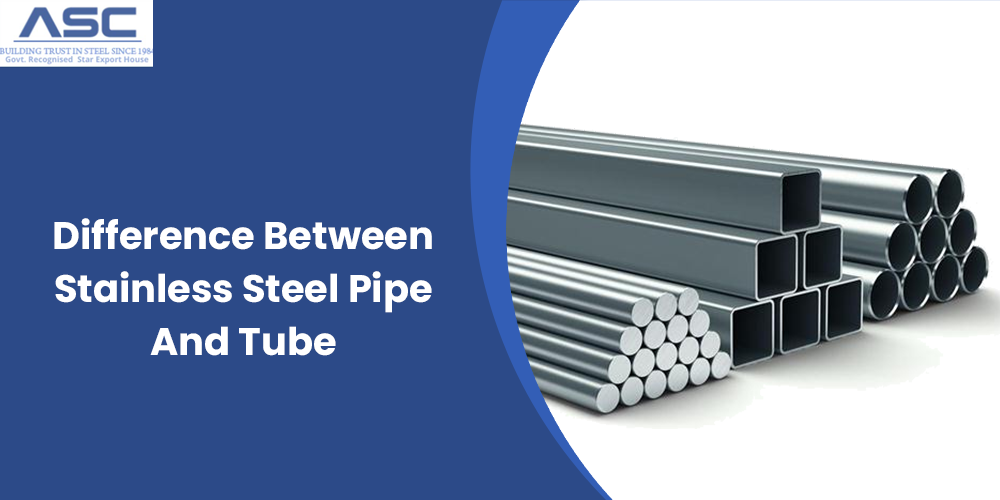
Difference Between Stainless Steel Pipe And Tube
Stainless steel pipes and tubes are often used interchangeably, but there are key differences between them, especially in how they are measured and their applications.